Auction Item Sourcing: How to Curate a Catalogue That Sells Itself

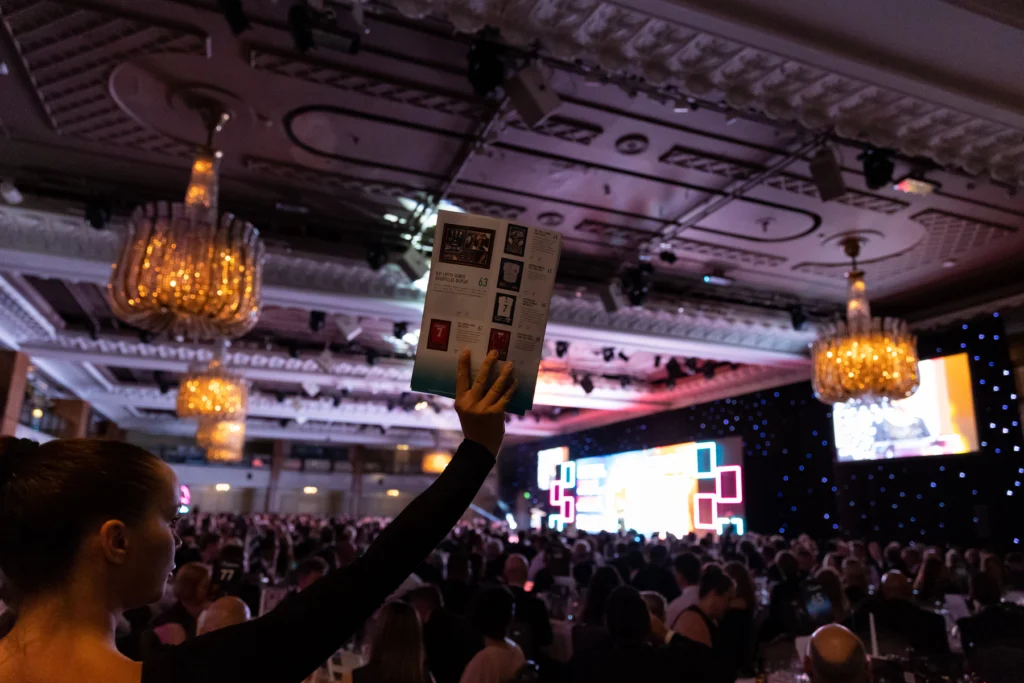
If you have ever been part of a charity auction, you will know one thing straight away. The success of the night often comes down to the catalogue.
You can have a great venue, a strong guest list, even a brilliant host, but if the items do not excite people, bidding slows down. Energy drops. And suddenly, the room feels flat.
On the flip side, when the catalogue is right, something shifts. Guests start talking about items before the auction even begins. Competition builds naturally. You don’t have to force momentum, it creates itself.
That is the real goal when sourcing auction items. Not just filling a list, but curating something people genuinely want.
It Starts with Understanding Your Audience
Before thinking about what to include, it is worth stepping back and asking a simple question. Who is actually in the room?
A catalogue that works for a corporate black-tie event will look very different from one designed for a local fundraiser. The spending power, interests, and expectations all vary.
If your audience includes business owners, senior professionals, or high-net-worth guests, they are less likely to be drawn to standard retail items. They are looking for something different. Something they cannot easily buy themselves. That is where the real value sits.

Experiences Always Outperform Products
There is a clear pattern across most successful auctions. Experiences tend to outperform physical items. People might hesitate over a product they can buy later. They rarely hesitate over a one-off experience.
Think along the lines of:
- VIP sporting access
- Travel and hospitality packages
- Behind-the-scenes or exclusive opportunities
- Unique “money can’t easily buy” moments
For example, an experience tied to an event like the Monaco Grand Prix or premium racing hospitality will naturally attract attention. It feels aspirational. It feels different. That emotional pull is what drives bids higher.
Fewer, Better Items Beat Long Lists
One common mistake is trying to include too many items.
A long catalogue might look impressive on paper, but in reality, it can dilute interest. Guests lose focus. The auction drags.
A tighter selection of high-quality items usually performs far better. It keeps energy high and ensures each lot gets the attention it deserves.
Think of it less like a list and more like a curated collection. Each item should feel like it belongs there.
Presentation Matters More Than You Think
Even the best item can underperform if it is not presented well. Descriptions should feel engaging, not generic. Instead of listing features, focus on the experience. What does it feel like? Why is it special?
Images also make a difference. High-quality visuals help guests picture themselves enjoying the item. That mental picture often drives the decision to bid. If people can imagine it clearly, they are far more likely to compete for it.
Build a Flow Within the Catalogue
A strong catalogue has a natural rhythm to it.
Start with items that are appealing but accessible. These warm up the room and get people involved early.
As the auction builds, introduce higher-value, more exclusive lots. By this point, the energy is already there, and guests are more willing to push their bids further.
Ending on a strong item can work, but only if the energy holds. In many cases, placing your most desirable lot in the middle of the auction delivers better results.
Leverage Partnerships and Networks
Sourcing great items rarely happens in isolation. It comes from relationships. Brands, sponsors, and partners are often open to contributing, especially when they see value in the audience and the event itself.
The key is positioning it as a partnership rather than a request. Show them how their involvement will be visible, relevant, and aligned with the experience. Over time, these relationships become one of your strongest sourcing tools.
Make It Easy for Guests to Engage
The catalogue should not just look good. It should be easy to interact with.
Clear lot descriptions, simple bidding processes, and visibility throughout the event all help maintain momentum. Whether it is a live auction, silent auction, or mobile bidding setup, the easier it is to engage, the more likely guests are to participate.
A Catalogue That Works Does Not Feel Forced
When everything comes together, the best catalogues feel effortless.
Guests talk about items before they are even introduced. Bidding becomes competitive without needing encouragement. The auction flows naturally.
That does not happen by accident. It comes from understanding the audience, sourcing the right mix of items, and presenting them in a way that connects.
Why Getting It Right Changes Everything
Auction item sourcing is not just a task on a checklist. It is the foundation of the entire event.
Get it right, and the night almost runs itself. Get it wrong, and even the best planning struggles to recover. That is why more organisations are putting greater focus on how they curate their catalogues, treating it as a strategy rather than an afterthought.
Impulse Decisions specialises in crafting successful charity auctions and exclusive experiences that engage guests and maximise fundraising. Get in touch and let us help you create a catalogue that sells itself.