
Corporate networking has changed dramatically over the past decade. Traditional dinners, conference rooms, and hotel meeting spaces still exist, but they no longer deliver the same impact they once did. Decision makers are busier, attention spans are shorter, and relationships take more than a formal meeting to truly develop.
This shift is exactly why sports hospitality has emerged as one of the most effective corporate networking strategies today. By combining world-class sporting events with premium hospitality, businesses are creating environments where conversations flow naturally and relationships form faster.
Networking Works Better When It Feels Natural
The core part of networking is trust. Trust rarely develops across a boardroom table in a one-hour meeting. It builds when people share experiences, emotions, and moments that feel genuine.
Sport creates that shared emotional backdrop instantly. Whether it is the tension of a late try in the Six Nations Championship, the drama of a final furlong at the Cheltenham Festival, or the spectacle of the Monaco Grand Prix, guests are fully present. Conversations feel relaxed, spontaneous, and memorable.
In these settings, business discussions happen naturally rather than feeling forced.
Sports Hospitality Creates Time, Not Just Access
One of the biggest advantages of sports hospitality is time. Unlike short meetings or networking events, where interactions are brief, sports hospitality offers several hours together.
Guests arrive early, enjoy pre-event dining, watch the action, and often stay afterwards. That extended time allows relationships to develop properly. Conversations evolve from small talk to meaningful discussions without pressure.
For businesses focused on long-term partnerships rather than quick wins, this time investment delivers far greater value.
The Environment Levels the Playing Field
Sports hospitality removes hierarchy in a subtle but powerful way. Once you are sharing a table, reacting to the same moments, and celebrating the same outcomes, titles and job roles fade into the background.
Clients, prospects, and partners feel more comfortable being themselves. That openness leads to more honest conversations and stronger personal connections.
It is far easier to build rapport in a hospitality suite overlooking the track at Royal Ascot than across a formal desk.
Premium Experiences Reflect Brand Values
Inviting someone to a major sporting event with VIP hospitality sends a clear message. It shows appreciation, confidence, and attention to detail.
Well-curated hospitality experiences reflect positively on your brand. They demonstrate that you value quality, understand your audience, and are willing to invest in relationships rather than transactions.
For senior stakeholders, these signals matter. The experience becomes part of how your brand is remembered.
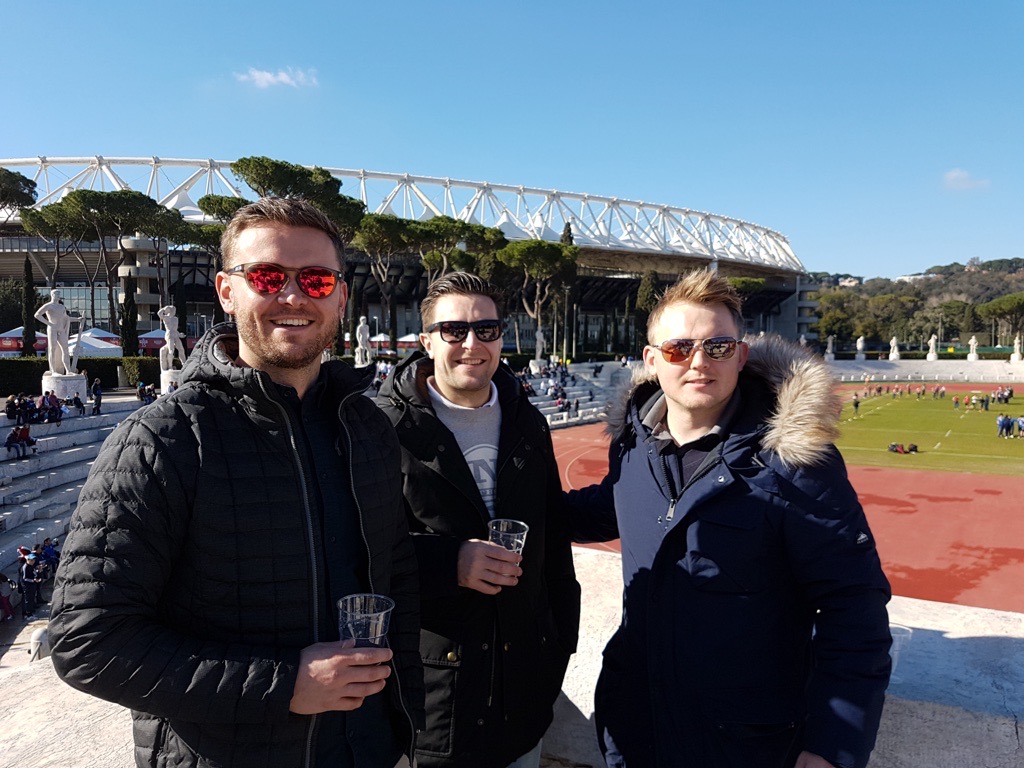
Sports Hospitality Attracts Senior Decision Makers
One reason sports hospitality continues to grow is its appeal to senior leadership. High-level decision makers are selective with their time, but they are far more likely to accept an invitation that combines business with a world-class sporting experience.
Events such as the Grand National, major Formula 1 races, or international rugby fixtures provide a compelling reason to step away from the office while still delivering business value.
This access is difficult to replicate through traditional networking methods.
Stronger ROI Than Traditional Networking
While sports hospitality can appear premium at first glance, the return on investment is often stronger than more conventional approaches.
Fewer guests, deeper conversations, and longer engagement lead to higher-quality relationships. Deals progress faster. Partnerships feel more solid. Client retention improves.
When viewed as a strategic relationship-building tool rather than a one-off event, sports hospitality consistently delivers measurable business outcomes.
A Strategy That Continues to Grow
As work becomes more digital and meetings move online, the value of real-world experiences increases. Sports hospitality fills that gap perfectly.
It brings people together in environments that feel exciting, human, and memorable. It replaces scripted networking with shared experiences that last far beyond the final whistle or chequered flag.
That is why more businesses are shifting budget and focus toward sports hospitality as a core part of their corporate networking strategy.
Impulse Decisions designs tailored corporate hospitality experiences that help you connect with clients, partners, and prospects in the most powerful way possible. Get in touch and let us build your next networking experience around moments that matter.