Live or Silent Auction? Choosing the Right Format for Your Christmas Charity Ball

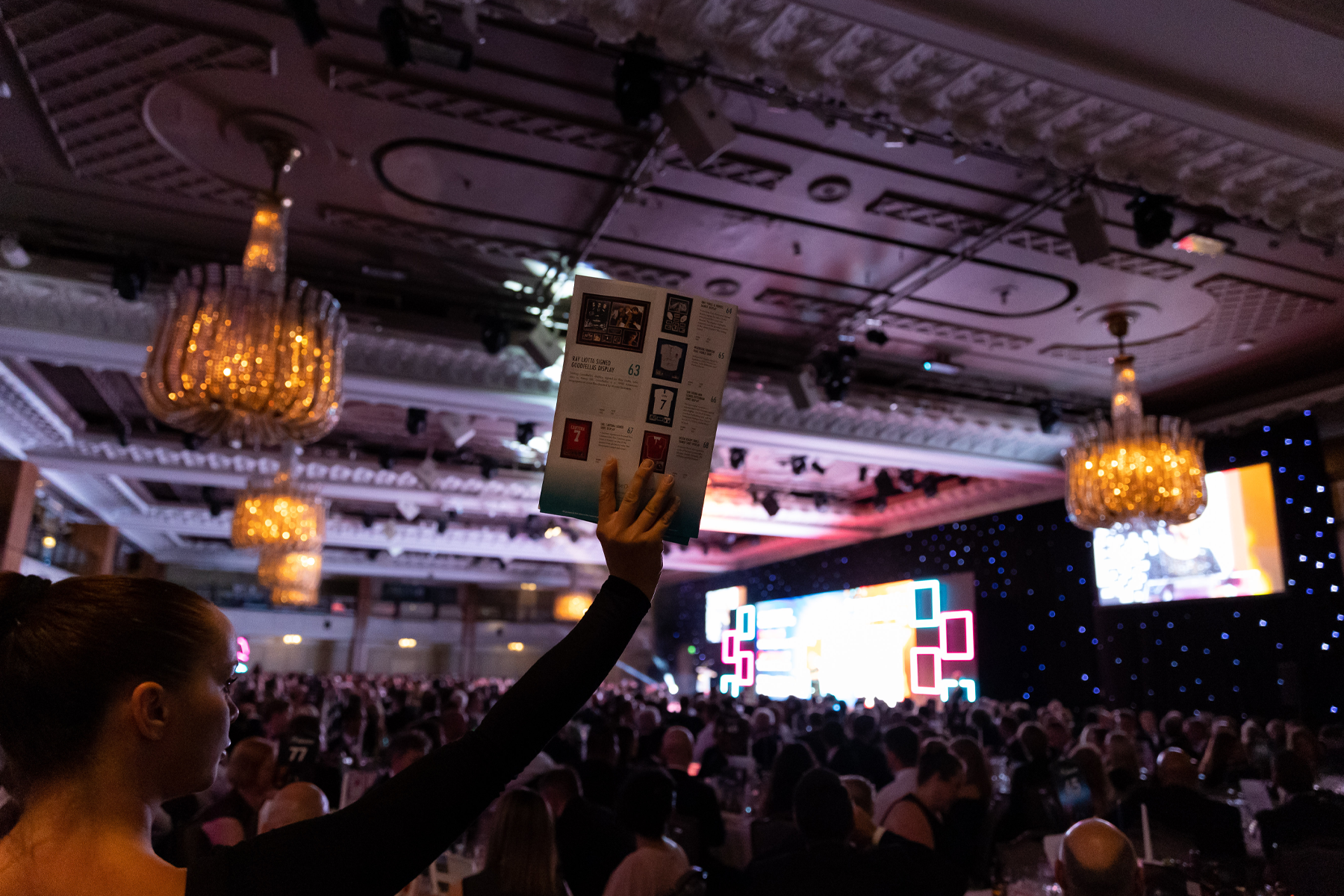
A Christmas charity ball has all the ingredients of a memorable fundraising night. Guests arrive dressed for the occasion, dinner creates time for conversation, then attention eventually turns towards the reason everyone is in the room: raising as much money as possible for a good cause.
The auction can become one of the most important parts of the evening. Choosing between a live auction and a silent auction, however, is not always straightforward. Each format creates a different atmosphere, so the right choice depends on your audience, the prizes available and how you want the evening to flow.
How Does a Live Charity Auction Work?
A live auction puts the fundraising directly in front of the room. An auctioneer introduces each lot, explains what makes it appealing, then invites guests to compete by raising their bids.
The format creates a sense of occasion because everyone can see the bidding develop. A strong auctioneer can read the room, encourage hesitant bidders and keep momentum moving when two or more guests are determined to win the same prize.
Christmas charity balls can benefit particularly well from this approach. Guests are already gathered together in a social setting, so the competitive element can add energy to the evening rather than feeling like a separate fundraising exercise.
What Makes a Silent Auction Different?
A silent auction takes a quieter approach. Guests browse the available lots before placing their bids, usually through paper bid sheets or a digital platform. Bidding continues for a set period, with the highest eligible bid winning when the auction closes.
The format gives guests more freedom to participate at their own pace. Someone may want to bid on a weekend break while continuing conversations at their table, while another guest might return to check whether their bid is still leading.
Silent auctions can also accommodate a larger number of lots. Smaller prizes, experiences or donated items can sit alongside higher-value options without requiring every item to receive individual attention from an auctioneer.

Live vs Silent Auction: Which Raises More?
There is no universal winner. The amount raised depends heavily on the quality of the lots, the audience attending the event and how effectively the auction is presented.
Live auctions often have an advantage when the prizes are experiences that people genuinely want. A luxury holiday, exclusive sporting experience, private dining package or memorable weekend away can create strong competition when guests are emotionally invested in winning.
Silent auctions can work well when there are plenty of attractive prizes at different price points. Guests who may not feel comfortable bidding publicly can still participate, giving the fundraising activity a broader reach across the room.
When Should You Choose a Live Auction?
A live auction is particularly effective when you have several standout lots that deserve attention. Limited-access experiences work well because the auctioneer has an opportunity to explain what makes each one difficult to obtain.
The audience also matters. A room filled with guests who are comfortable bidding publicly can create an atmosphere where competition builds naturally. Corporate Christmas balls can be a strong fit because companies are willing to spend more on desirable experiences that can be shared with clients, colleagues or friends.
The pacing of the evening should also be considered. A live auction needs a dedicated slot, so organisers should decide where it fits around dinner, speeches and entertainment.
When Does a Silent Auction Make More Sense?
Silent auctions are useful when you want fundraising to run alongside the wider event. Guests can place bids during drinks, dinner or networking without waiting for a specific point in the programme.
The format can also feel less intimidating for first-time bidders. Someone who would never raise a paddle in front of a room can quietly enter a bid from their phone, then increase it later if another guest takes the lead.
Digital silent auctions make the process even easier to manage. Organisers can track bids, send notifications when someone has been outbid, then close the auction automatically at the agreed time.
Could You Use Both Formats?
For many Christmas charity balls, combining the two approaches may produce the strongest result. A live auction can handle the headline prizes, while a silent auction provides additional opportunities for guests to support the charity.
The distinction between the two sections also gives organisers more control over the evening. High-value lots can receive the attention they deserve from an auctioneer, while smaller prizes continue generating bids in the background.
Choosing the Right Auction for Your Guests
The best format starts with understanding who will be in the room. Consider whether guests are likely to enjoy public competition, how much time is available during the evening, then look at the types of prizes you have secured.
A charity auction ball built around a small number of exceptional experiences may benefit from a focused live auction. An event with dozens of attractive prizes could make better use of a silent format. Combining both can provide the widest range of ways for guests to get involved.
Make Your Christmas Charity Ball Count
A successful auction should feel like part of the celebration rather than an interruption. The right format can create excitement, encourage generosity and give guests another reason to remember the evening long after Christmas has passed.
Choosing the right prize can make your auction more competitive while giving guests an experience they will remember long after the Christmas ball. Impulse Decisions can provide premium sporting and entertainment experiences that add value to your auction while creating another opportunity to raise funds for your chosen charity.