Charity Auction Mistakes That Quietly Cost You Donations

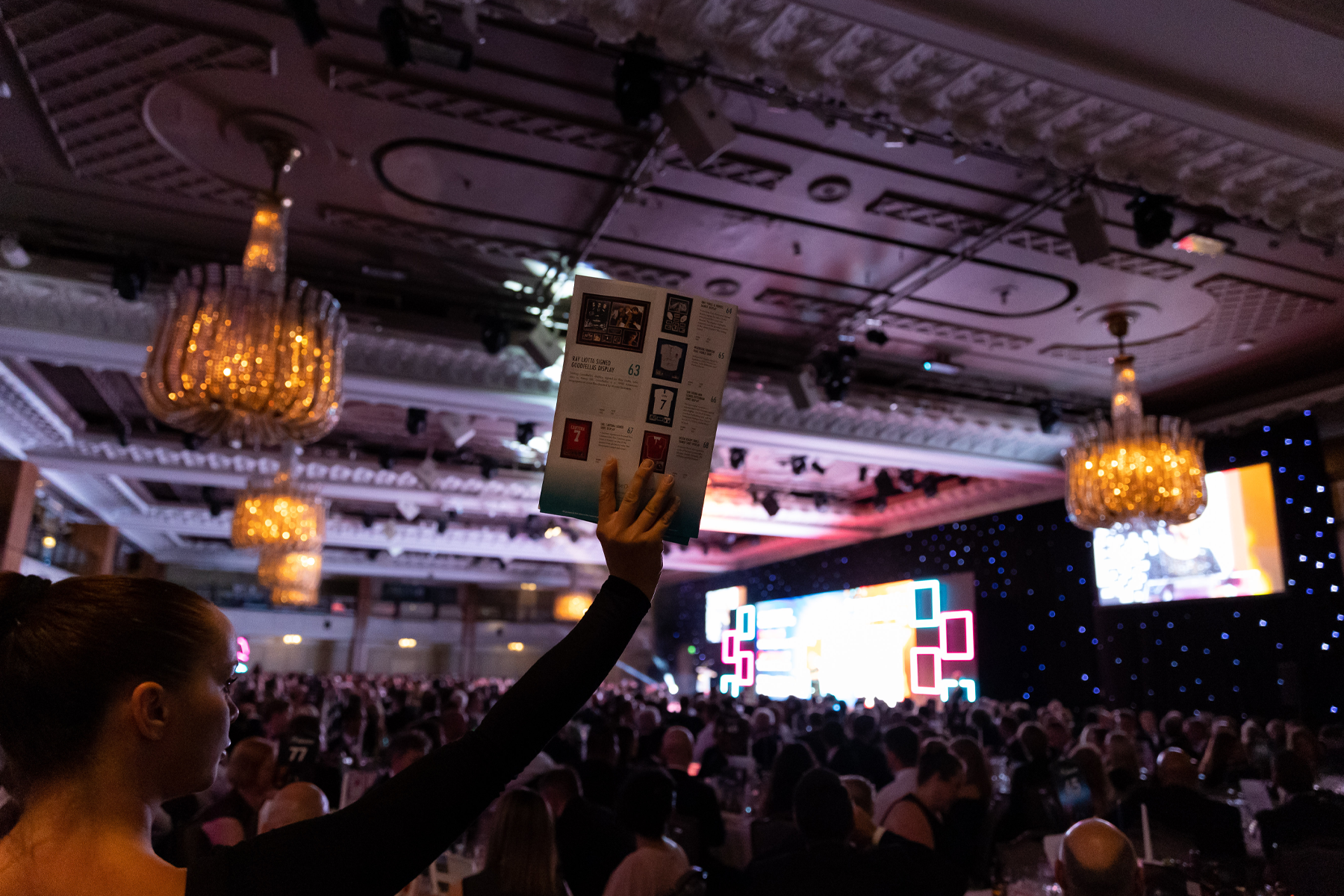
Most charity auctions do not fail because of one major mistake. Guests enjoy the evening, prizes attract bids and the fundraising total often looks respectable by the time the event comes to a close. Looking a little closer, however, many auctions leave significant donations on the table without organisers ever realising it.
Missed opportunities usually come from small decisions rather than obvious problems. A poorly timed auction, the wrong selection of prizes or limited promotion before the event can all reduce bidding activity. None of those issues stand out during the evening, though together they can have a noticeable impact on the final amount raised.
Understanding where those opportunities are lost is often the first step towards running a charity auction thats is more successful.
Leaving Promotion Until the Week of the Event
Many organisers spend months arranging a venue, confirming guests and planning the evening. Auction prizes sometimes receive very little attention until people arrive on the night.
Building excitement in advance often leads to stronger bidding. Sharing a handful of standout prizes through email campaigns, social media, event pages or sponsor communications gives supporters time to look forward to the auction. Guests who already have their eye on a particular experience usually arrive far more willing to participate.
Early promotion also helps create conversations before the event begins. Anticipation can be just as valuable as the auction itself.
Filling the Catalogue With Ordinary Prizes
A common misconception is that more prizes automatically create more fundraising. Guests rarely become excited about items they could purchase themselves the following weekend. Exclusive experiences often generate much stronger interest because they feel genuinely difficult to obtain. Premium sports hospitality, luxury holidays, private dining, backstage access and once-in-a-lifetime experiences encourage people to compete in a way standard retail products rarely can.
The strongest charity auctions focus on memorable opportunities rather than simply increasing the number of lots available.
Allowing the Auction to Run Too Long
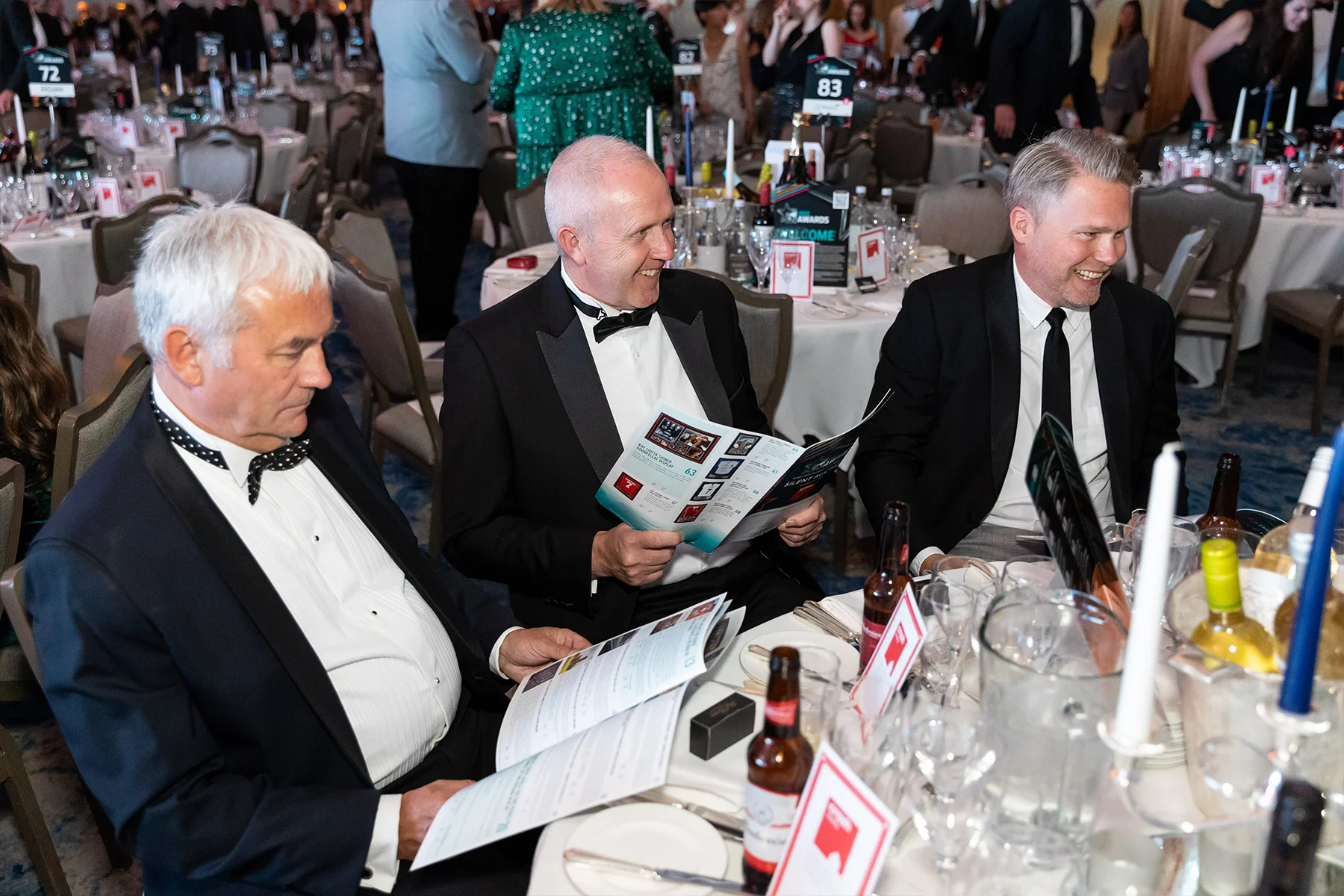
Energy changes throughout an evening. Guests arrive enthusiastic, conversations build naturally and bidding often begins with plenty of momentum. Stretching the auction for too long can gradually reduce that enthusiasm. Attention starts drifting, tables become distracted and fewer people remain fully engaged as the evening progresses.
A carefully selected catalogue with fewer high-quality lots usually performs better than an extended auction filled with similar prizes. Every item receives more attention, while bidders remain interested until the final hammer falls.
Setting Opening Bids Too High
Every successful auction needs participation from the very beginning. Starting bids that feel unrealistic can discourage guests from becoming involved. Many people are happy to compete once bidding is underway, though fewer want to place the very first bid if the opening figure already feels expensive.
Experienced auctioneers often prefer to create momentum first. Once several bidders become involved, competition frequently pushes the final price well beyond the starting point. Building confidence early tends to produce stronger fundraising than aiming for ambitious opening numbers.
Forgetting to Explain Why Donations Matter
People attend charity auctions for different reasons. Some want to support a cause that means something personally. Others enjoy the social occasion or hope to secure an exclusive prize. Regardless of their motivation, understanding where the money is going usually encourages greater generosity.
Sharing a genuine story before the auction begins gives every bid a stronger sense of purpose. Guests become more invested when they understand the impact their contribution could have rather than simply hearing a fundraising target announced during the evening.
Connecting supporters with the charity’s work often inspires larger bids than repeating financial goals alone.
Choosing the Wrong Moment to Begin
Timing can influence bidding just as much as prize quality. Launching a charity auction while guests are still arriving means many people are distracted. Waiting until the very end of the evening can create a different problem, as attention naturally begins to fade after dinner, speeches or entertainment.
Successful events usually introduce the live auction when the room feels settled, engaged and ready to participate. Guests are more likely to stay involved when the evening still has plenty of energy, making every lot more competitive from start to finish.
Underestimating the Value of an Experienced Auctioneer
A professional auctioneer contributes far more than reading lot numbers from a catalogue. Experienced auctioneers understand how to read the room, recognise hesitation, encourage friendly rivalry and keep bidding moving at the right pace. Small decisions made during those moments can have a significant effect on the final selling price of each prize.
Guests also respond to confidence. A well-managed charity auction feels organised, entertaining and enjoyable without creating unnecessary pressure. Experienced auctioneers know when to pause, when to build excitement and when to move quickly so the room never loses interest.
Missing the Opportunity to Follow Up
Many organisers see the end of the auction as the end of the fundraising process. Following up with supporters helps strengthen relationships long after the event finishes. Thanking guests, sharing the total amount raised, recognising sponsors and explaining how donations will be used all encourage continued support in future years.
People are far more likely to return when they feel appreciated. Maintaining that connection can become just as valuable as the money raised during a single evening.
Better Planning Leads to Better Fundraising
Successful charity auctions rarely depend on luck. Thoughtful preparation, carefully chosen prizes, effective promotion, experienced auctioneers and good timing all help create an environment where bidding feels natural. Each improvement may appear relatively small on its own, though together they can make a significant difference to the final fundraising total.
Organisers who pay attention to those details often discover that supporters are willing to give more than expected. The right atmosphere encourages competition, memorable prizes inspire stronger bidding and every guest leaves feeling they have contributed to something worthwhile.
Impulse Decisions helps charities, businesses and fundraising organisations maximise results through professionally managed charity auctions, exclusive prize sourcing and premium experiences that encourage competitive bidding. Get in touch to find out how your next charity auction can raise even more for your chosen cause.